Electrical Repair in Wyoming
Restore safe, stable residential power when tripping breakers or flickering lights disrupt your Wyoming home. Local technicians isolate concealed wiring faults, repair service panels, and resolve safety hazards to keep your electrical system operating safely.
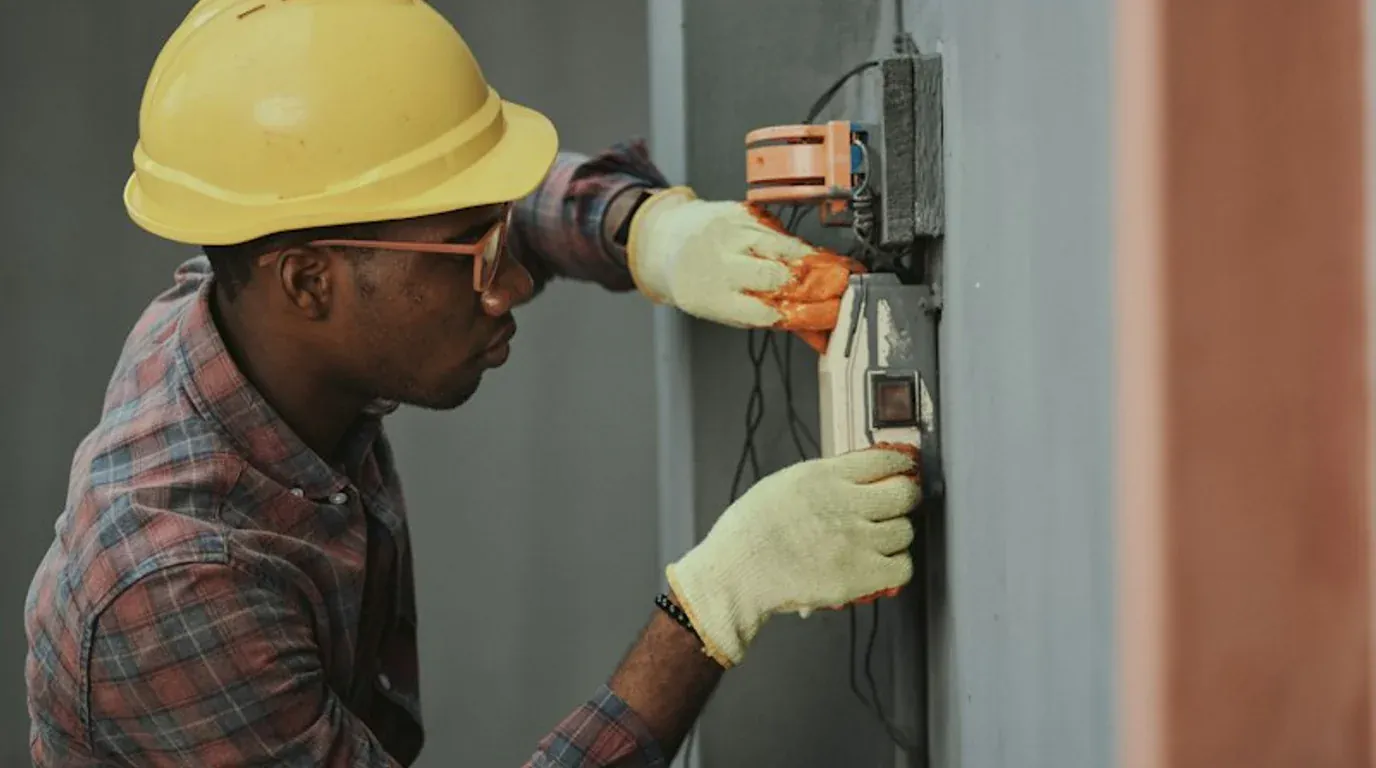
Reliable Electrical Repair and Wiring Service in Wyoming
Deteriorating aluminum branch wiring installed in homes built between 1965 and 1973 introduces unique fire safety concerns for property owners in Wyoming. Aluminum expands significantly faster than copper under electrical loads, slowly pushing wires loose from standard brass terminal screws over consecutive heating cycles. Exposed aluminum oxidizes rapidly into a resistive surface layer that generates intense heat under modest current.
Ungrounded two-prong receptacles in mid-century homes similarly fail to protect modern three-prong consumer electronics from dangerous static charges and ground faults. Installing three-prong outlets onto ungrounded circuits without GFCI protection violates safety codes and leaves homeowners vulnerable to accidental electrical shocks. Remediating vintage wiring requires specialized mechanical connectors or complete circuit rewiring.
Field evaluations identify vulnerable aluminum connections, apply COPALUM or AlumiConn dual-rated pigtailing, and install code-compliant ground fault safeguards throughout Wyoming. Modernizing branch wiring ensures long-term residential safety and smooth insurance compliance for years to come.
Electrical Repair Solutions Available Throughout Wyoming
- Emergency Electrical Repair Service: Resolving sudden power outages, buzzing circuit panels, sparking electrical outlets, and hazardous burning plastic odors 24/7.
- Electrical Panel Repair Service: Diagnosing humming breaker boxes, scorched bus bars, obsolete panel hazards, and planning 200-amp service upgrades.
- Circuit Breaker & Wiring Repair Service: Fixing tripping breakers, short circuits, degraded Romex cables, aluminum wiring hazards, and loose neutral connections.
- Outlet and Switch Repair Service: Replacing dead outlets, buzzing wall switches, failing GFCI receptacles, loose plugs, and ungrounded two-prong sockets.
- Lighting and Ceiling Fan Repair Service: Troubleshooting flickering LED fixtures, buzzing dimmers, dead recessed cans, exterior security lights, and wobbly ceiling fans.
- Surge Protection & Grounding Repair Service: Installing whole-home Type 2 surge arresters, testing grounding electrode resistance, and repairing loose bonding wires.
Servicing residential electrical systems and branch equipment throughout Wyoming:
Communities We Serve Across Wyoming
Local service dispatchers coordinate electrical diagnostics and repairs directly in the following cities throughout Wyoming:
Frequently Asked Questions Across Wyoming
Installing three-prong outlets onto older two-wire systems without establishing an equipment ground violates electrical safety codes and creates shock risks for modern grounded electronics. Code permits installing a Ground Fault Circuit Interrupter (GFCI) breaker or receptacle on ungrounded circuits to protect occupants against shock hazards, provided each outlet receives an indelible label stating No Equipment Ground.
Audible buzzing indicates loose internal spring contacts failing to grip plug blades securely, generating tiny electrical arcs across the air gap. These micro-arcs carbonize surrounding plastic, increasing resistance and degrading power delivery to connected equipment. Replacing worn receptacles with commercial-grade tamper-resistant outlets restores tight mechanical grip and stops arcing.
Earth grounding systems require two eight-foot copper-clad steel ground rods driven into the soil and bonded to the main panel with heavy copper grounding electrode conductors. Proper grounding directs lightning surges, utility transients, and static charges safely into the earth while stabilizing household reference voltages. Technicians inspect ground clamps for corrosion and measure earth resistance to ensure reliable surge dissipation.
Residential electrical service enters structures as two separate 120-volt phases that combine to supply 240-volt major appliances. Losing one incoming leg from the utility transformer or experiencing an internal main breaker pole failure shuts down half the 120-volt circuits while 240-volt equipment fails completely. Technicians measure voltage phase-to-phase and phase-to-neutral at the main lugs to isolate utility issues from residential panel faults.
Direct short circuits create an instantaneous surge of electrical current that forces the breaker's electromagnetic trip bar open in milliseconds. This safety trip occurs when an energized black hot wire touches a white neutral wire or bare copper ground wire inside a junction box, appliance motor, or wall stud penetration. Forcing the breaker handle to stay on overrides internal safety mechanisms and creates a direct risk of wire insulation ignition.
Keep Your Wyoming Electrical Systems Running Safely
Do not let buzzing panels or tripping breakers compromise your family's safety. Schedule a diagnostic evaluation today.