Targeted Diagnostics

Circuit Breaker & Wiring Repair Service | Electrical Repair

Fixing tripping breakers, short circuits, degraded Romex cables, aluminum wiring hazards, and loose neutral connections.
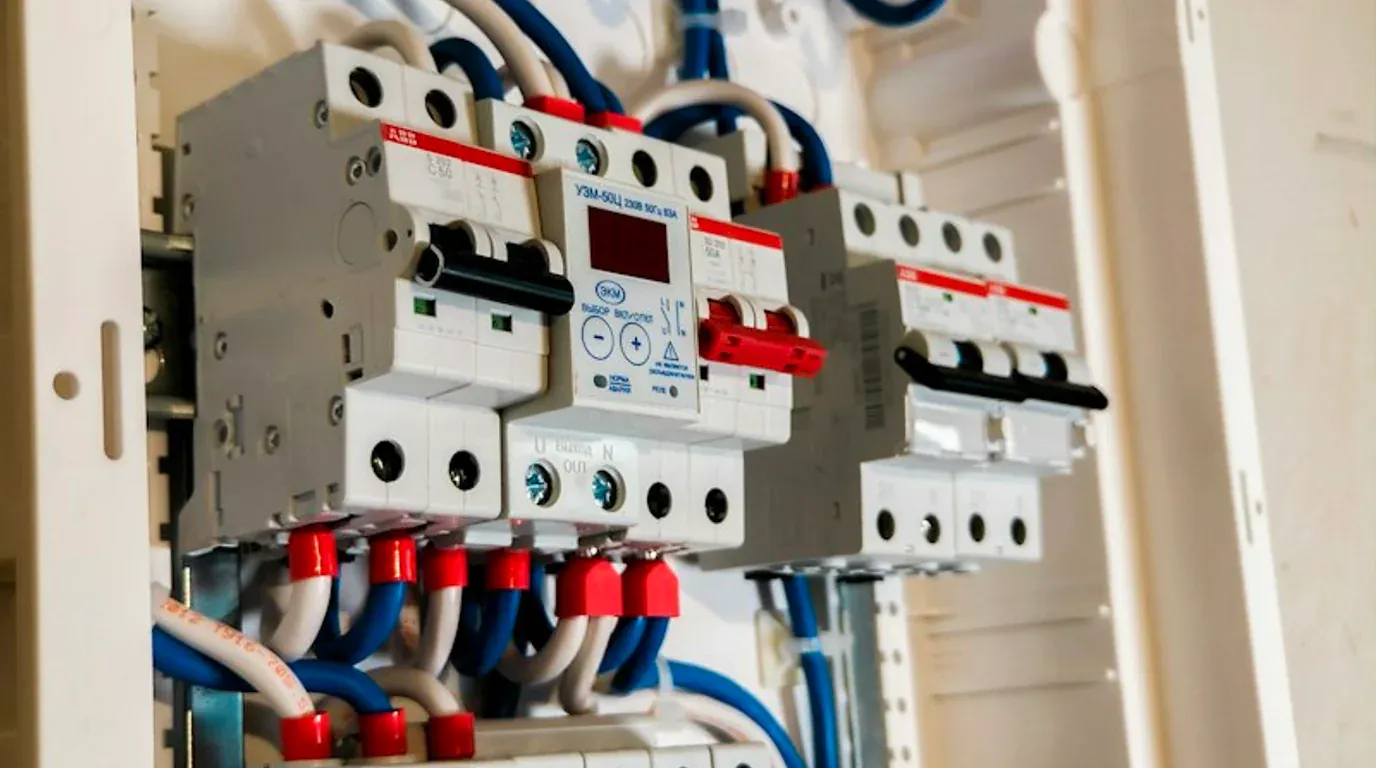
Circuit Breaker and Wiring Repair equipment - modern residential breakers with color-coded branch circuit wiring and distribution terminals
Direct Service Dispatch

About This Service

Residential electrical distribution depends on properly sized branch conductors protected by matched overcurrent circuit breakers. Wiring defects often stem from physical nail strikes through studs, rodent chewing, oxidized aluminum splices, or degraded insulation inside overloaded ceiling junction boxes. Technicians use digital circuit analyzers and insulation resistance meters to trace concealed branch wiring, identify ground faults, and replace fatigued breakers. Restoring proper conductor integrity eliminates intermittent dropouts and protects your family from electrical fire hazards.

Diagnostic Precision for Concealed Wiring Faults

Isolating electrical wiring faults hidden behind drywall requires methodical testing rather than destructive demolition. Technicians inject digital tracer frequencies along conductor paths, measure voltage drops across branch splices, and test circuit loop impedance. This focused diagnostic process locates the exact point of wiring failure without unnecessary drywall damage.

Common Symptoms We Inspect

  • Circuit breaker trips immediately after resetting without any appliances plugged in
  • Flickering lights or intermittent power loss along a specific branch of room outlets
  • Aluminum branch wiring installed in homes constructed between 1965 and 1973
  • Arc-fault AFCI circuit breaker trips nuisance alarms when vacuum cleaners or tools run
  • Dead electrical outlets in bedrooms or hallways while the main breaker remains on

Standard Diagnostic Procedures & Solutions

  • Insulation Resistance Megohmmeter Testing: Applying 500-volt DC test pulses identifies hidden conductor insulation breakdown and microscopic ground leakage inside structural walls.
  • Aluminum Wiring COPALUM Remediation: Attaching dual-rated mechanical connectors creates stable, cold-welded copper pigtails that eliminate aluminum terminal oxidation hazards.
  • AFCI Branch Circuit Signal Tracing: Specialized arc-fault analyzers distinguish between harmless motor brush sparking and genuine electrical wiring arcing faults.
  • Open Neutral Fault Identification: Loop impedance testing pinpoints broken neutral pigtails inside junction boxes that cause dangerous phase voltage imbalances.

Frequently Asked Questions About Circuit Breaker & Wiring Repair Service

A breaker that trips under zero load indicates a hard short circuit or ground fault inside concealed branch wiring. Damaged Romex sheathing touching metal studs, nail punctures from recent picture hanging, or a failed breaker mechanism causes direct current leakage that forces the breaker open.
Aluminum expands more than copper when warmed by electrical current, causing solid conductors to work loose from standard brass terminal screws. Loosened connections oxidize rapidly into resistive aluminum oxide, generating severe heat that can ignite plastic junction boxes and drywall framing.
An open neutral occurs when the return wire breaks on a multi-wire branch circuit sharing a neutral between two phases. Instead of returning current safely, 240 volts divides unevenly across connected devices, sending up to 180 volts into 120-volt electronics and causing component destruction.
Never replace a 15-amp breaker with a 20-amp breaker unless the entire branch circuit is verified to use thicker 12-gauge copper wire. Standard 15-amp circuits use 14-gauge wire, which will overheat and melt inside walls before a 20-amp breaker trips, creating an extreme fire hazard.
AFCI breakers detect micro-arcs caused by frayed cords, loose terminal screws, or wires damaged by wall fasteners. They can also trip from electronic noise generated by older vacuum motors or treadmill drives. Technicians trace the branch line to distinguish nuisance trips from dangerous arcing.
Overloading circuits beyond continuous capacity forces conductors to run hot for extended hours, baking the thermoplastic insulation. High operating temperatures dry out plasticizers, making insulation brittle and prone to flaking off, exposing bare copper wires to grounded metal boxes.
Technicians connect tone generators to the faulted conductor and use inductive receiver probes along wall surfaces to trace the signal path. The audio tone changes abruptly at the point of open connection or physical nail strike, allowing pinpoint repair through minimal drywall openings.
National Electrical Code strictly prohibits burying wire splices inside closed walls without an accessible junction box. All wire splices must remain fully accessible for future inspection inside an approved metal or non-metallic enclosure fitted with a solid cover plate.

Schedule Circuit Breaker & Wiring Repair Service

Call our dispatch desk now to discuss your electrical symptoms, verify scheduling availability, and book your diagnostic visit.

877-468-4093Request an Estimate
Local Electrical Dispatch

Restore Your Circuit Breaker & Wiring Repair. Call Today.

Speak directly with an electrical repair specialist to discuss your breaker symptoms, outlet issues, or wiring concerns and schedule a diagnostic visit.