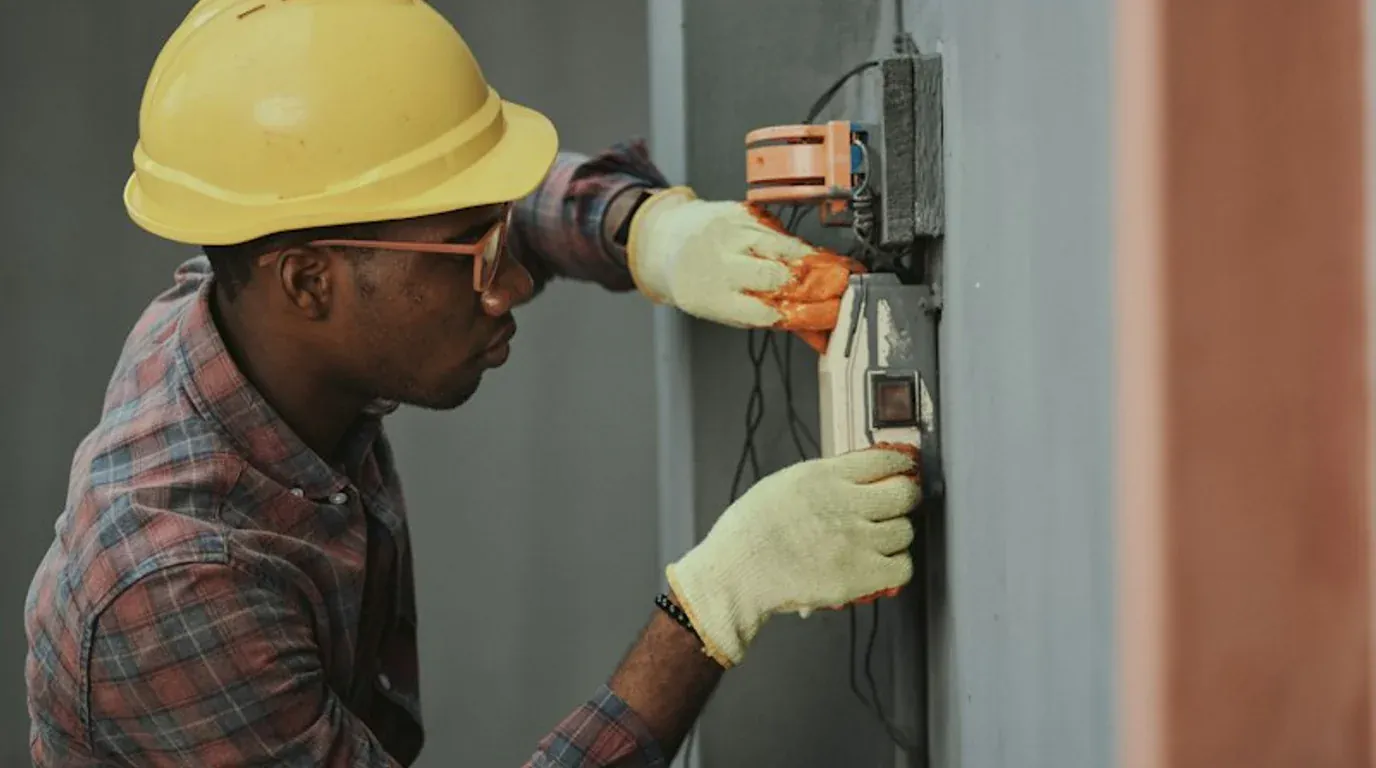
Sudden electrical failures present immediate safety risks that demand fast, systematic diagnostic isolation. Typical emergencies involve sparking breaker panels, dropped utility phases leaving half the home dark, water intrusion into meter enclosures, or smoldering wiring behind living room walls. Technicians arrive with digital multimeters and thermal imaging cameras to inspect main service lugs, trace ground faults, and evaluate branch circuit integrity. Restoring stable power and eliminating live hazards prevents structural fire risks and brings peace of mind back to your household.
Diagnostic Approach for Urgent Electrical Hazards
Residential electrical emergencies require disciplined safety protocols to locate hidden shorts before restoring power. Rather than resetting breakers blindly, technicians measure line voltage phase-to-phase, test neutral-to-ground resistance, and inspect panel bus stabs with infrared thermometers. This methodical evaluation eliminates active fire risks and prevents secondary overcurrent damage across your home.
Common Symptoms We Inspect
Acrid fishy odor or burning plastic smell coming from an electrical panel or wall receptacle
Main circuit breaker trips repeatedly or buzzes loudly under normal household load
Partial home blackout where half the 120-volt circuits drop out while others remain energized
Visible electrical sparks or popping noises emanating from switches, plugs, or junction boxes
Storm water dripping through the service mast conduit directly into the interior breaker panel
Standard Diagnostic Procedures & Solutions
Infrared Thermal Bus Inspection: Thermal imaging cameras detect high-resistance hot spots across circuit breaker contacts and feeder lugs before visible scorching occurs.
Service Phase Voltage Balancing: Metering dual incoming 120-volt utility legs isolates transformer dropped phases from internal panel main breaker defects.
Emergency Circuit Isolation: Disconnecting compromised branch conductors allows non-affected household circuits to operate safely while dangerous faults are corrected.
Weatherhead & Mast Sealing: Resealing storm-damaged service entrance cables and mast weatherheads stops rainwater from corroding aluminum panel bus bars.
Frequently Asked Questions About Emergency Electrical Repair Service
Shut off the main electrical disconnect breaker immediately to cut power to all branch circuits, and keep everyone away from the affected area. Avoid touching scorched faceplates or attempting to remove wall switches yourself, as smoldering insulation indicates high internal temperatures. Call emergency service dispatch right away to arrange an on-site diagnostic inspection.
Residential utility power enters via two separate 120-volt phases that combine to supply 240-volt major appliances. Losing one phase from the overhead utility transformer or suffering an internal main breaker pole failure drops power to half your circuits. A technician measures phase-to-phase voltage at the main lugs to identify the fault origin.
Loud buzzing or humming indicates severe electrical arcing between the breaker clip and panel bus bar or severe electromagnetic overload. Continuous arcing erodes copper contact metal and generates intense heat that can ignite plastic breaker housings. Power down the buzzing circuit and schedule immediate emergency diagnostic evaluation.
Technicians disconnect all plugged-in loads and connect a digital megohmmeter to test conductor insulation resistance at 500 volts DC. This test confirms that conductor sheathing has not broken down and that no hidden shorts remain between hot, neutral, and ground wires inside wall cavities.
Water dripping down the service entrance cable onto energized bus bars creates conductive electrolyte bridges between opposing 120-volt phases. This moisture bridge triggers explosive phase-to-phase arc flashes that destroy circuit breakers and panel enclosures. Turning off power at an exterior disconnect is essential until the leak is sealed.
Loose internal terminal clips, worn receptacle contacts, or plugging in appliances while they are turned on draws a momentary arc gap. Persistent sparking accompanied by scorch marks indicates failing spring contacts that must be replaced with commercial-grade receptacles to eliminate fire hazards.
Emergency visits prioritize isolating live hazards, repairing damaged branch connections, and restoring safe temporary or permanent power. If the main panel has sustained irreparable bus bar melting or water corrosion, technicians secure safe temporary service and outline full panel replacement options.
Repeatedly resetting a breaker into a dead short causes cumulative thermal degradation and arc damage to internal contacts. If a breaker refuses to reset on the first attempt, leave it in the off position until a technician isolates the underlying short circuit.
Schedule Emergency Electrical Repair Service
Call our dispatch desk now to discuss your electrical symptoms, verify scheduling availability, and book your diagnostic visit.
Restore Your Emergency Electrical Repair. Call Today.
Speak directly with an electrical repair specialist to discuss your breaker symptoms, outlet issues, or wiring concerns and schedule a diagnostic visit.