Electrical Repair in Texas
Restore safe, stable residential power when tripping breakers or flickering lights disrupt your Texas home. Local technicians isolate concealed wiring faults, repair service panels, and resolve safety hazards to keep your electrical system operating safely.
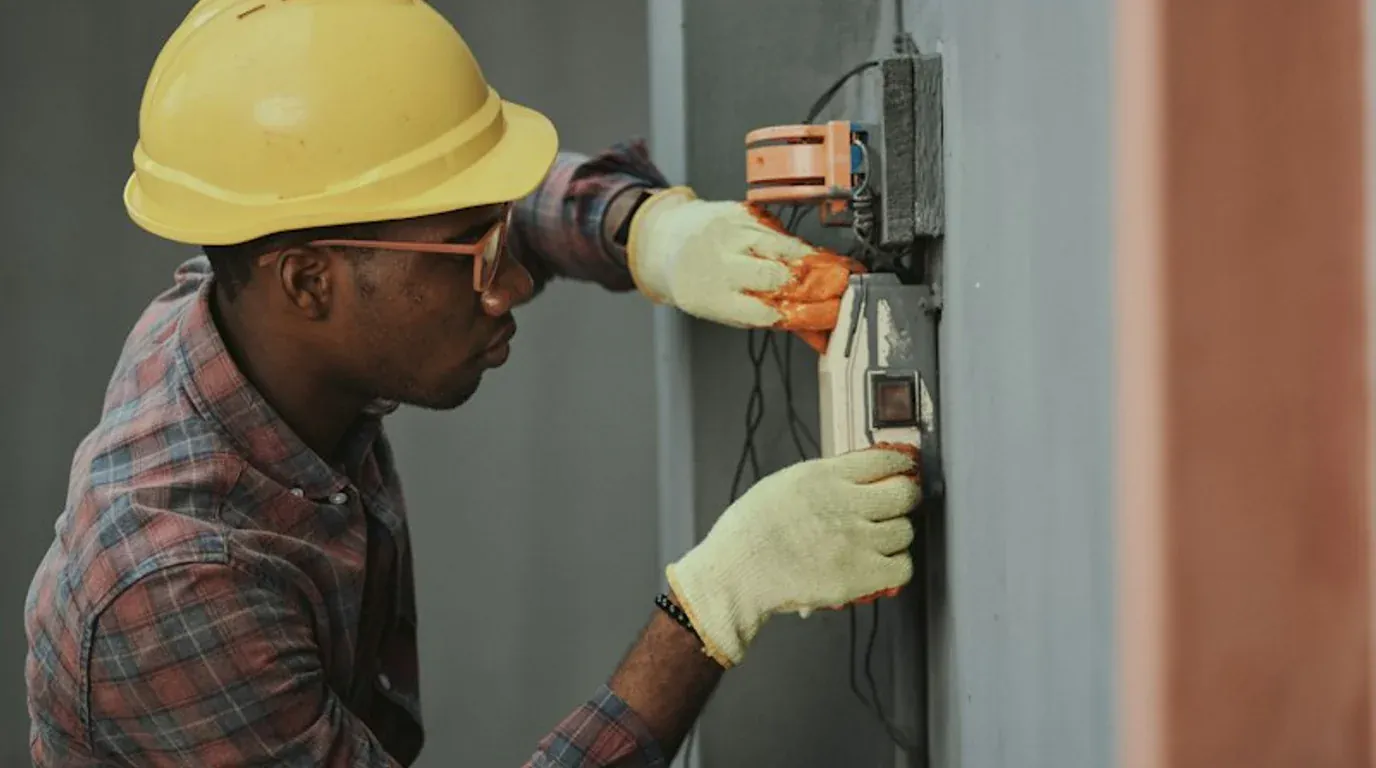
Emergency Electrical Repair and Diagnostic Service in Texas
Dead electrical outlets scattered along a single room wall indicate an open circuit condition that interrupts power to multiple downstream receptacles in Texas. Residential branch circuits connect devices in daisy-chain arrangements where one loose screw terminal or broken neutral pigtail shuts down every subsequent outlet. Tracing open circuits requires testing voltage drops across each junction box in sequence.
Intermittent power loss often stems from push-in back-stab connections that lose mechanical spring tension after decades of thermal expansion. Plugs wobble loosely in worn socket contacts, generating microscopic electrical sparks that disrupt sensitive home office computers and entertainment systems. Converting back-stabbed splices into secure side-screw terminal connections restores uninterrupted electrical continuity.
Systematic fault-finding procedures identify the precise location of broken neutrals, failed GFCI sensors, and damaged conductors throughout Texas properties. Homeowners regain reliable, surge-free power across all living spaces while eliminating intermittent dropouts.
Electrical Repair Solutions Available Throughout Texas
- Emergency Electrical Repair Service: Resolving sudden power outages, buzzing circuit panels, sparking electrical outlets, and hazardous burning plastic odors 24/7.
- Electrical Panel Repair Service: Diagnosing humming breaker boxes, scorched bus bars, obsolete panel hazards, and planning 200-amp service upgrades.
- Circuit Breaker & Wiring Repair Service: Fixing tripping breakers, short circuits, degraded Romex cables, aluminum wiring hazards, and loose neutral connections.
- Outlet and Switch Repair Service: Replacing dead outlets, buzzing wall switches, failing GFCI receptacles, loose plugs, and ungrounded two-prong sockets.
- Lighting and Ceiling Fan Repair Service: Troubleshooting flickering LED fixtures, buzzing dimmers, dead recessed cans, exterior security lights, and wobbly ceiling fans.
- Surge Protection & Grounding Repair Service: Installing whole-home Type 2 surge arresters, testing grounding electrode resistance, and repairing loose bonding wires.
Servicing residential electrical systems and branch equipment throughout Texas:
Communities We Serve Across Texas
Local service dispatchers coordinate electrical diagnostics and repairs directly in the following cities throughout Texas:
Frequently Asked Questions Across Texas
Audible buzzing indicates loose internal spring contacts failing to grip plug blades securely, generating tiny electrical arcs across the air gap. These micro-arcs carbonize surrounding plastic, increasing resistance and degrading power delivery to connected equipment. Replacing worn receptacles with commercial-grade tamper-resistant outlets restores tight mechanical grip and stops arcing.
Dimmers naturally produce moderate warmth while shedding excess voltage, but standard toggles and convenience receptacles should always remain cool to the touch. Warmth signals excessive current draw exceeding wire ampacity or high-resistance electrical connections behind the wall box. Prolonged heat dries out wire insulation until brittle conductors touch grounded metal boxes, resulting in dangerous internal arcing.
Hardwired smoke alarms connect via a three-wire system where an orange or yellow communication conductor carries nine-volt signaling pulses between units. Voltage spikes, airborne dust inside the optical sensor, or loose neutral splices can trick the sensor network into activating full alarm mode. Vacuuming sensing chambers and testing interconnection line voltage reliably clears phantom midnight alarms.
Isolating concealed faults requires disconnecting branch loads and applying a digital insulation resistance tester or megohmmeter to measure conductor insulation breakdown. Circuit tracers send high-frequency tone signals along the wire path through studs, allowing the technician to pinpoint nail strikes or chewed wiring behind baseboards. This non-invasive diagnostic method avoids tearing down drywall unnecessarily across Texas homes.
Standard 15-amp circuits utilize 14-gauge copper conductors suited for general illumination, televisions, and low-wattage electronics. Heavy appliances like microwave ovens, bathroom hair dryers, and kitchen counters require 20-amp circuits wired with thicker 12-gauge conductors to handle 1,920 continuous watts safely without thermal tripping. Installing a 20-amp breaker on thin 14-gauge wiring creates a severe fire hazard.
Keep Your Texas Electrical Systems Running Safely
Do not let buzzing panels or tripping breakers compromise your family's safety. Schedule a diagnostic evaluation today.