Lighting and Ceiling Fan Repair Service | Electrical Repair
Troubleshooting flickering LED fixtures, buzzing dimmers, dead recessed cans, exterior security lights, and wobbly ceiling fans.
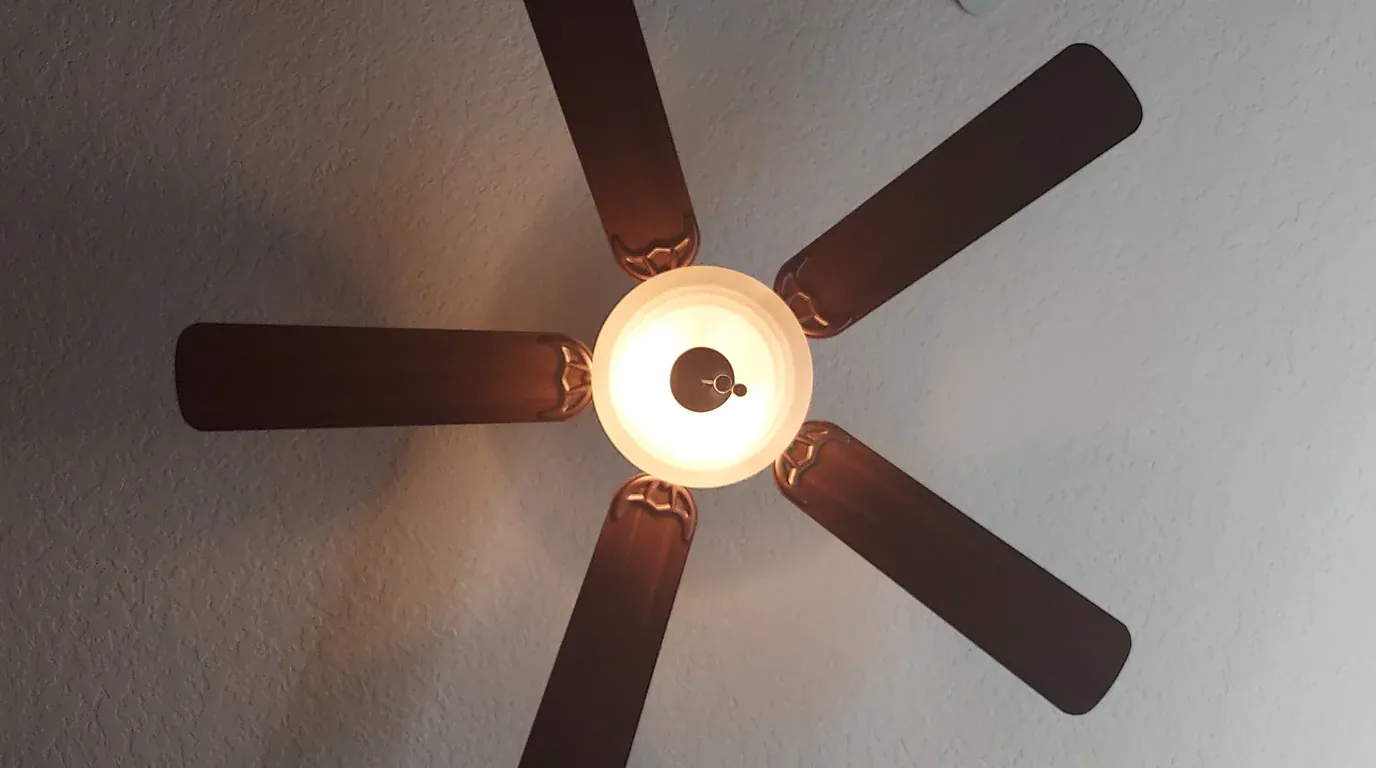
About This Service
Residential lighting and ceiling fan installations combine delicate solid-state drivers with high-vibration rotating motors. Common failures include flickering recessed LEDs, tripping dimmer switches, failed fan capacitors, and fixtures improperly mounted to non-fan-rated plastic boxes. Technicians inspect ceiling box mounting hardware, balance fan blades with dynamic weights, and match solid-state drivers to compatible dimming controls. Restoring proper lighting and ventilation ensures energy efficiency, quiet operation, and comfortable living areas.
Technical Analysis of Modern Lighting and Fan Circuits
Solid-state LED lighting and modern ceiling fans require precise voltage regulation and vibration-resistant structural support. Technicians verify ceiling junction box weight ratings, test phase-control dimming waveforms, and meter motor capacitor microfarad ratings. This focused diagnostic method eliminates strobing lights and noisy fan motors throughout your home.
Common Symptoms We Inspect
- Recessed LED ceiling lights flicker, strobe, or refuse to shut off completely
- Ceiling fan wobbles violently, screeches, or hums loudly on high-speed settings
- Wall dimmer switch buzzes loudly and lights drop out below fifty percent brightness
- Outdoor floodlights or security motion sensor lights remain on continuously or fail to trigger
- Chandelier or heavy ceiling light fixture installed on a weak, unrated plastic ceiling box
Standard Diagnostic Procedures & Solutions
- Fan-Rated Steel Box Retrofitting: Installing heavy-duty expandable steel spreader bars securely locks ceiling fans to structural joists, supporting dynamic rotating loads up to 70 pounds.
- LED Phase-Dimmer Matching: Replacing incompatible legacy triac dimmers with forward/reverse phase-adaptive controls stops strobing and extends LED driver life.
- Fan Motor Capacitor Diagnostic Testing: Testing multi-value motor capacitors with digital capacitance meters restores multiple operating speeds and eliminates low-speed motor hum.
- Motion Sensor & Photocell Calibration: Adjusting ambient lux sensors and pulse timing ensures exterior security fixtures engage reliably from dusk to dawn without false daytime cycling.
Frequently Asked Questions About Lighting and Ceiling Fan Repair Service
Restore Your Lighting and Ceiling Fan Repair. Call Today.
Speak directly with an electrical repair specialist to discuss your breaker symptoms, outlet issues, or wiring concerns and schedule a diagnostic visit.