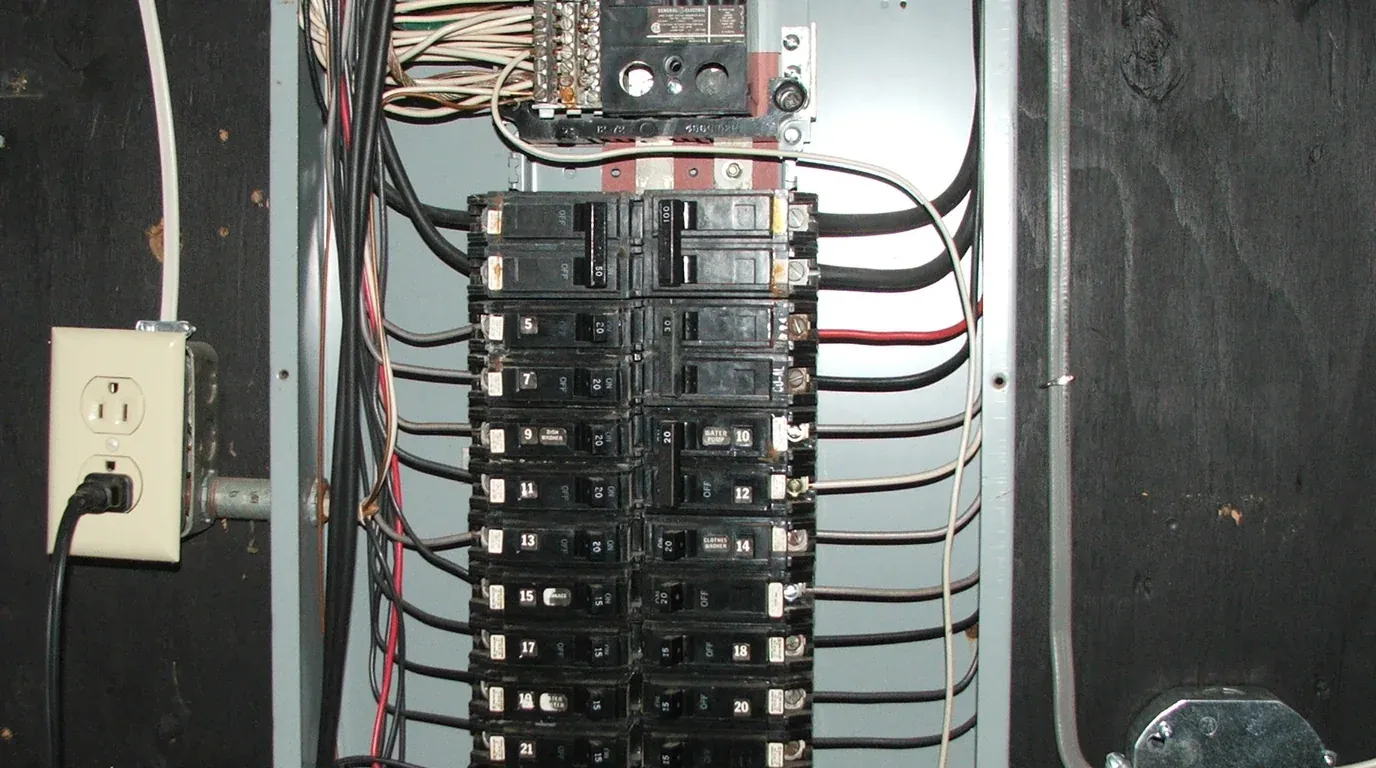
Distribution panels serve as the central safety hub for all electrical energy flowing through your home. Over decades of service, heavy household power demands cause bus stab corrosion, thermal breaker fatigue, and loose neutral connections. Technicians inspect panel enclosures with digital torque wrenches, measure branch circuit current draw, and identify hazardous obsolete equipment like Federal Pacific Electric or Zinsco panels. Restoring tight electrical connections and modernizing overcurrent protection safeguards your property against catastrophic electrical failures.
Systematic Engineering Analysis of Electrical Panels
Modern breaker panels manage high continuous electrical loads from electric heating, air conditioning, and smart appliances. Technicians evaluate main lug torque specifications, calculate total residential load demand, and inspect bus bars for micro-pitting. This disciplined assessment protects your service equipment and ensures reliable electrical distribution.
Common Symptoms We Inspect
Breaker panel door feels noticeably warm or emits a persistent buzzing or crackling noise
Individual circuit breakers feel loose on the bus bar or refuse to latch into the on position
Rust trails, white powdery corrosion, or moisture droplets visible inside the panel enclosure
Obsolete Federal Pacific Electric Stab-Lok, Zinsco, or split-bus panel installed in the home
Breakers trip frequently when multiple household appliances run at the same time
Standard Diagnostic Procedures & Solutions
Bus Bar Micro-Pitting Inspection: Examining copper bus stabs identifies arcing damage and metal erosion caused by loose breaker clips before failure occurs.
Mechanical Lug Torque Verification: Using calibrated torque screwdrivers ensures main service entrance lugs and neutral terminations meet manufacturer torque specifications.
Residential Service Load Calculations: Calculating continuous and non-continuous electrical demand verifies whether existing panel capacity safely supports modern appliances.
Frequently Asked Questions About Electrical Panel Repair Service
Testing by consumer safety investigators revealed that FPE Stab-Lok breakers fail to trip under overcurrent conditions in up to one out of four instances. When breakers fail to open during a short circuit, high electrical energy superheats wiring inside walls, creating severe fire hazards. Replacing an FPE panel eliminates this latent safety defect.
Warning signs include persistent buzzing sounds, warm panel deadfronts, circuit breakers that wobble loosely, rust along the bottom of the enclosure, and flickering house lights. If your panel utilizes obsolete screw-in fuses or split-bus configurations without a main breaker, replacement is strongly recommended.
Technicians calculate total connected wattage under National Electrical Code Article 220, factoring in HVAC systems, cooking equipment, and EV charging additions. If calculated demand exceeds eighty percent of total service capacity, upgrading to a 200-amp panel prevents chronic main breaker tripping.
Single breakers can be replaced safely provided the underlying copper or aluminum bus bar shows no signs of heat discoloration, pitting, or carbon tracking. If the bus bar itself has melted or suffered arcing erosion, replacing the panel interior or entire enclosure is required.
Moisture enters through unsealed exterior service cables, humid basement condensation, or missing conduit seals between outdoor meters and indoor panels. Corrosion attacks steel breaker clips and aluminum neutral bars, creating high electrical resistance that generates heat under load.
Standard residential panel replacements generally take between four and eight hours from utility power disconnect to final circuit verification. The technician coordinates utility meter reconnection and installs clean circuit labels identifying every room and dedicated appliance.
Main panels contain the primary service disconnect breaker directly connected to the utility meter, bonding the neutral and ground bars together. Subpanels receive power via a four-wire feeder from the main panel and must maintain completely separate neutral and ground buses for safety.
Loose electrical lugs create high-resistance connections that overheat dramatically under heavy current draw, melting aluminum feeder cables. Over-tightening crushes conductor strands, reducing cross-sectional area. Calibrated torque tools guarantee precise manufacturer-specified clamping pressure.
Schedule Electrical Panel Repair Service
Call our dispatch desk now to discuss your electrical symptoms, verify scheduling availability, and book your diagnostic visit.
Speak directly with an electrical repair specialist to discuss your breaker symptoms, outlet issues, or wiring concerns and schedule a diagnostic visit.