Electrical Repair in Virginia
Restore safe, stable residential power when tripping breakers or flickering lights disrupt your Virginia home. Local technicians isolate concealed wiring faults, repair service panels, and resolve safety hazards to keep your electrical system operating safely.
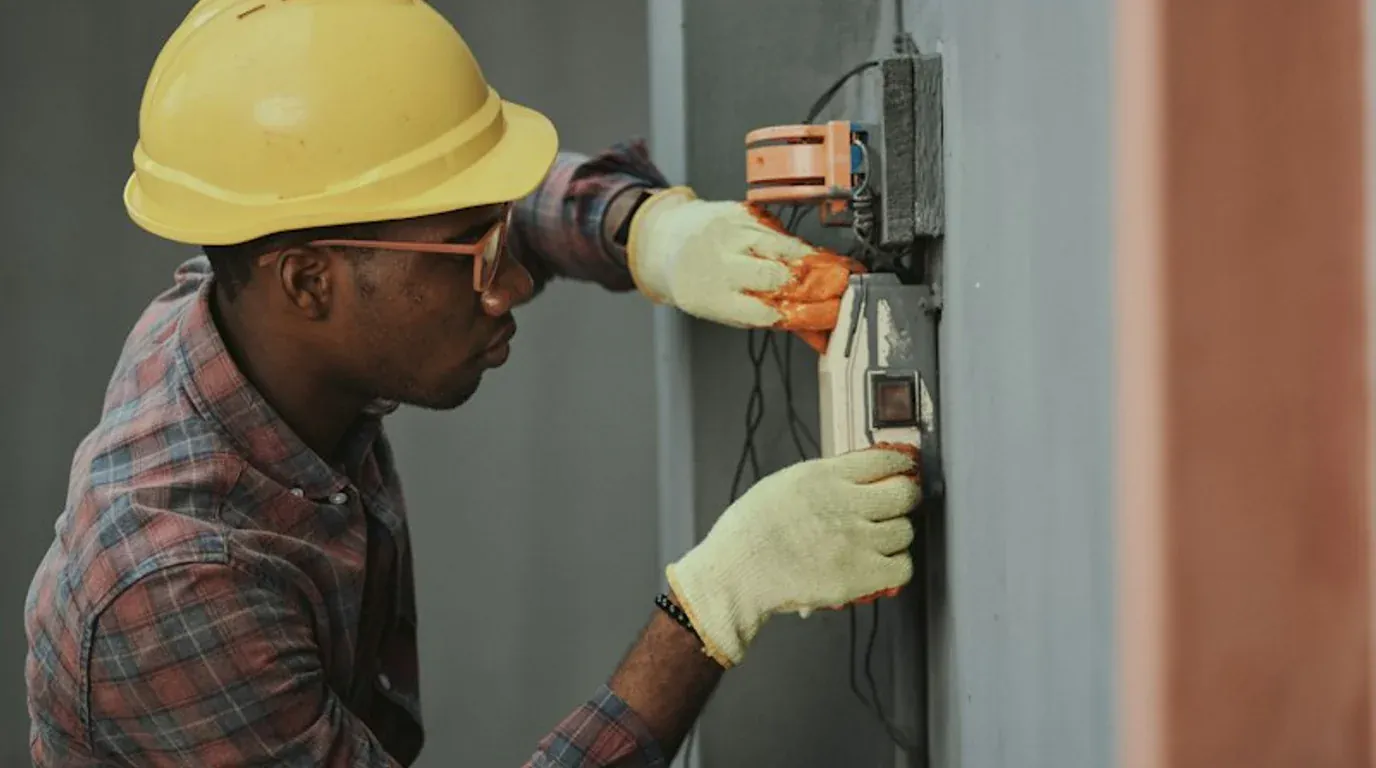
Professional Electrical Repair and Breaker Service in Virginia
Acrid fishy odors and discolored switch faceplates indicate dangerous electrical resistance developing behind structural walls in Virginia. Loose screw terminals, deteriorated back-stabbed receptacle clips, and oxidized splices generate extreme localized heat during normal everyday appliance operation. Allowing loose electrical connections to smolder inside plastic outlet boxes invites wall cavity ignition.
Standard household circuit breakers cannot detect low-level glowing connections that fail to exceed total circuit amperage limits. Heat quietly accumulates behind outlet faceplates until plastic insulation carbonizes, transforming ordinary drywall dust into an electrical fuel source. Replacing charred receptacles with commercial-grade tamper-resistant outlets and torqued screw terminals permanently resolves the thermal hazard.
Thorough inspections evaluate junction box fill capacities, test ground fault circuit interrupters, and verify secure neutral pigtails throughout Virginia residences. Correcting compromised wiring connections restores safe, stable power delivery across every room without risking secondary heat damage.
Electrical Repair Solutions Available Throughout Virginia
- Emergency Electrical Repair Service: Resolving sudden power outages, buzzing circuit panels, sparking electrical outlets, and hazardous burning plastic odors 24/7.
- Electrical Panel Repair Service: Diagnosing humming breaker boxes, scorched bus bars, obsolete panel hazards, and planning 200-amp service upgrades.
- Circuit Breaker & Wiring Repair Service: Fixing tripping breakers, short circuits, degraded Romex cables, aluminum wiring hazards, and loose neutral connections.
- Outlet and Switch Repair Service: Replacing dead outlets, buzzing wall switches, failing GFCI receptacles, loose plugs, and ungrounded two-prong sockets.
- Lighting and Ceiling Fan Repair Service: Troubleshooting flickering LED fixtures, buzzing dimmers, dead recessed cans, exterior security lights, and wobbly ceiling fans.
- Surge Protection & Grounding Repair Service: Installing whole-home Type 2 surge arresters, testing grounding electrode resistance, and repairing loose bonding wires.
Servicing residential electrical systems and branch equipment throughout Virginia:
Communities We Serve Across Virginia
Local service dispatchers coordinate electrical diagnostics and repairs directly in the following cities throughout Virginia:
Frequently Asked Questions Across Virginia
Universal series wound motors in vacuum cleaners, blenders, and drills create small internal sparks at the commutator carbon brushes during normal operation. Advanced arc-fault detection algorithms sometimes mistake this brush sparking for hazardous wiring arcs inside structural walls. Technicians test the circuit to confirm whether brush interference or concealed wiring degradation is triggering the breaker.
Breakers that feel noticeably hot, refuse to latch firmly into the on position, or show scorch marks along the panel bus connection have sustained internal thermal damage. Electric heating elements that pull 25 to 30 amps continuously degrade weak breaker spring clips over time. Technicians verify wire integrity and test current draw with a clamp meter before snapping in a new dual-pole breaker.
Residential electrical service enters structures as two separate 120-volt phases that combine to supply 240-volt major appliances. Losing one incoming leg from the utility transformer or experiencing an internal main breaker pole failure shuts down half the 120-volt circuits while 240-volt equipment fails completely. Technicians measure voltage phase-to-phase and phase-to-neutral at the main lugs to isolate utility issues from residential panel faults.
Large motor startup draws significant inrush current, causing a temporary voltage drop across residential feeder conductors. Technicians use digital multimeters to measure line voltage drop at the main service lugs during compressor startup, checking for high resistance on incoming utility lines or loose neutral bus terminations. Installing a hard start kit on the outdoor condenser or correcting a loose neutral connection restores stable voltage across Virginia homes.
Moisture entering worn foam weather-stripping, hairline cover cracks, or unsealed conduit fittings creates a conductive path between hot conductors and grounded metal boxes. Even microscopic moisture seepage triggers sensitive ground fault sensors calibrated to trip at four to six milliamperes of leakage. Installing an extra-duty while-in-use bubble cover with silicone weather sealing protects outdoor outlets from driving rain.
Keep Your Virginia Electrical Systems Running Safely
Do not let buzzing panels or tripping breakers compromise your family's safety. Schedule a diagnostic evaluation today.