Electrical Repair in Tennessee
Restore safe, stable residential power when tripping breakers or flickering lights disrupt your Tennessee home. Local technicians isolate concealed wiring faults, repair service panels, and resolve safety hazards to keep your electrical system operating safely.
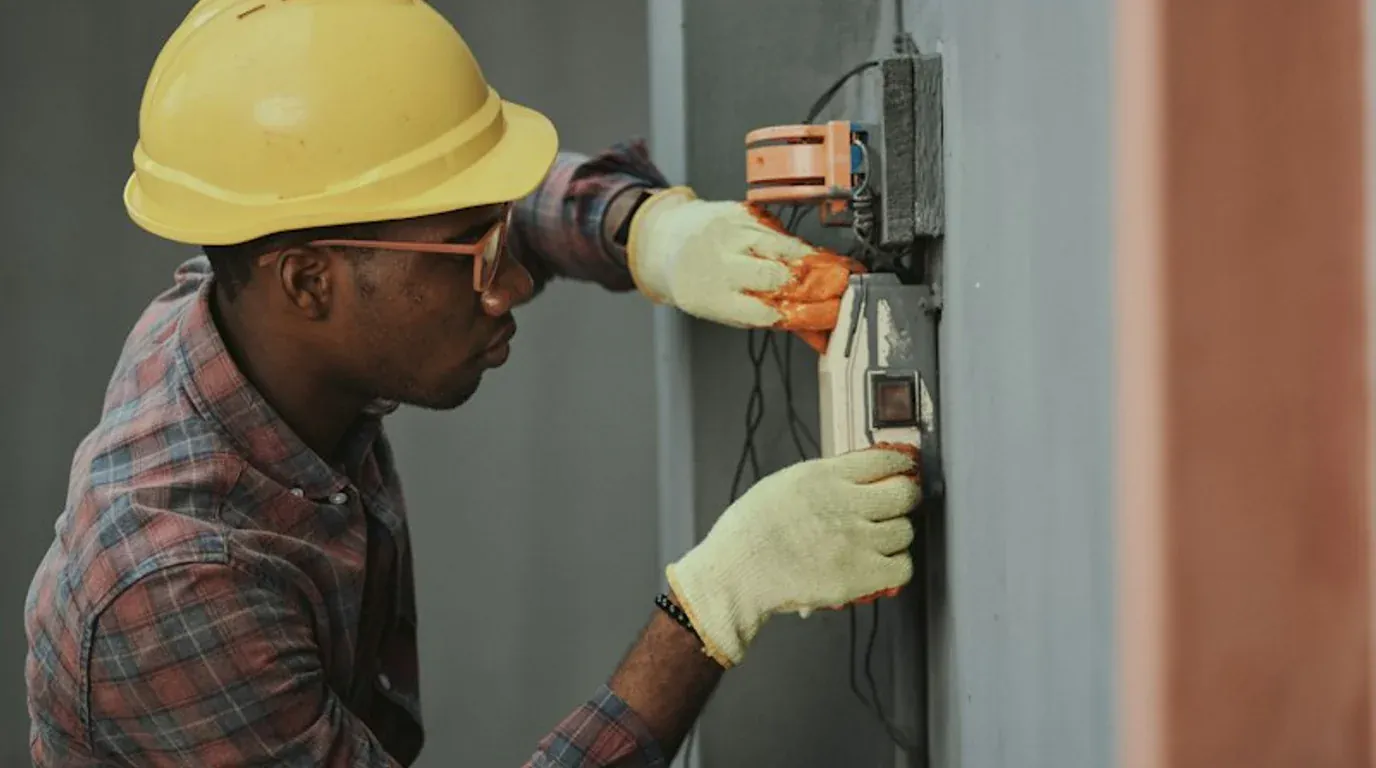
Emergency Electrical Repair and Diagnostic Service in Tennessee
Dead electrical outlets scattered along a single room wall indicate an open circuit condition that interrupts power to multiple downstream receptacles in Tennessee. Residential branch circuits connect devices in daisy-chain arrangements where one loose screw terminal or broken neutral pigtail shuts down every subsequent outlet. Tracing open circuits requires testing voltage drops across each junction box in sequence.
Intermittent power loss often stems from push-in back-stab connections that lose mechanical spring tension after decades of thermal expansion. Plugs wobble loosely in worn socket contacts, generating microscopic electrical sparks that disrupt sensitive home office computers and entertainment systems. Converting back-stabbed splices into secure side-screw terminal connections restores uninterrupted electrical continuity.
Systematic fault-finding procedures identify the precise location of broken neutrals, failed GFCI sensors, and damaged conductors throughout Tennessee properties. Homeowners regain reliable, surge-free power across all living spaces while eliminating intermittent dropouts.
Electrical Repair Solutions Available Throughout Tennessee
- Emergency Electrical Repair Service: Resolving sudden power outages, buzzing circuit panels, sparking electrical outlets, and hazardous burning plastic odors 24/7.
- Electrical Panel Repair Service: Diagnosing humming breaker boxes, scorched bus bars, obsolete panel hazards, and planning 200-amp service upgrades.
- Circuit Breaker & Wiring Repair Service: Fixing tripping breakers, short circuits, degraded Romex cables, aluminum wiring hazards, and loose neutral connections.
- Outlet and Switch Repair Service: Replacing dead outlets, buzzing wall switches, failing GFCI receptacles, loose plugs, and ungrounded two-prong sockets.
- Lighting and Ceiling Fan Repair Service: Troubleshooting flickering LED fixtures, buzzing dimmers, dead recessed cans, exterior security lights, and wobbly ceiling fans.
- Surge Protection & Grounding Repair Service: Installing whole-home Type 2 surge arresters, testing grounding electrode resistance, and repairing loose bonding wires.
Servicing residential electrical systems and branch equipment throughout Tennessee:
Communities We Serve Across Tennessee
Local service dispatchers coordinate electrical diagnostics and repairs directly in the following cities throughout Tennessee:
Frequently Asked Questions Across Tennessee
Installing three-prong outlets onto older two-wire systems without establishing an equipment ground violates electrical safety codes and creates shock risks for modern grounded electronics. Code permits installing a Ground Fault Circuit Interrupter (GFCI) breaker or receptacle on ungrounded circuits to protect occupants against shock hazards, provided each outlet receives an indelible label stating No Equipment Ground.
Independent testing laboratories have proven that FPE Stab-Lok and Zinsco breakers frequently jam in the closed position, failing to trip under sustained overcurrent and short circuits. This failure allows excessive electrical energy to overheat concealed branch wiring inside structural wall studs without warning. Replacing these obsolete panels with modern equipment eliminates a chronic hazard recognized by electrical inspectors across Tennessee.
Isolating concealed faults requires disconnecting branch loads and applying a digital insulation resistance tester or megohmmeter to measure conductor insulation breakdown. Circuit tracers send high-frequency tone signals along the wire path through studs, allowing the technician to pinpoint nail strikes or chewed wiring behind baseboards. This non-invasive diagnostic method avoids tearing down drywall unnecessarily across Tennessee homes.
Simultaneous air conditioning loads across residential neighborhoods strain regional distribution transformers, pulling neighborhood line voltage down below standard tolerances. Low voltage forces air conditioner motors and refrigerator compressors to draw higher amperage to compensate, tripping residential breakers unexpectedly. Technicians measure incoming line voltages to determine whether power drops originate at the utility transformer or home panel.
Push-in spring terminal clips on the back of builder-grade receptacles grip solid copper conductors with minimal surface area. Over years of thermal expansion and plug movement, spring tension weakens, resulting in intermittent contact, arcing, and localized heat damage. Professional technicians bypass back-stabs by stripping wires to fasten securely around heavy-duty side screw terminals.
Keep Your Tennessee Electrical Systems Running Safely
Do not let buzzing panels or tripping breakers compromise your family's safety. Schedule a diagnostic evaluation today.