Electrical Repair in Iowa
Restore safe, stable residential power when tripping breakers or flickering lights disrupt your Iowa home. Local technicians isolate concealed wiring faults, repair service panels, and resolve safety hazards to keep your electrical system operating safely.
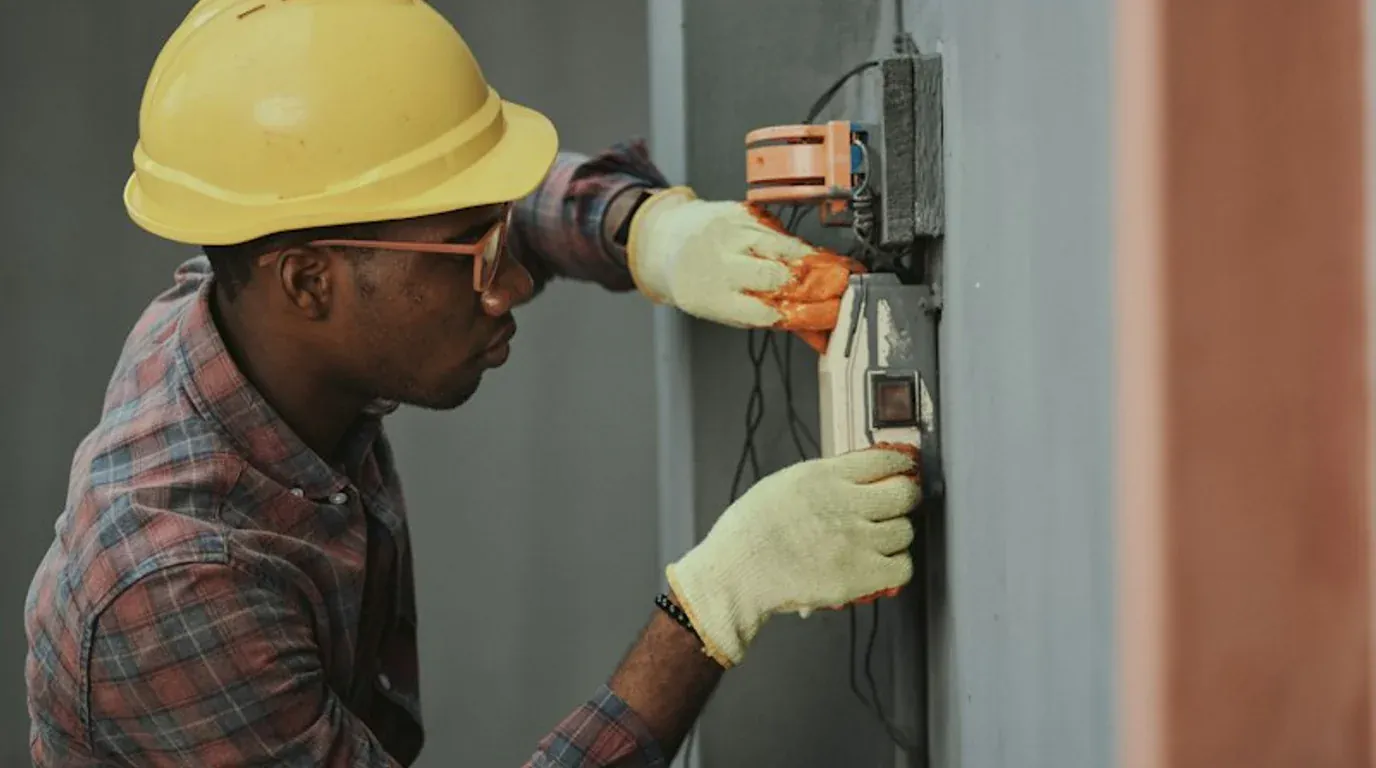
Reliable Electrical Repair and Wiring Service in Iowa
Outdated breaker boxes manufactured by Federal Pacific Electric, Zinsco, or obsolete split-bus brands leave properties across Iowa dangerously vulnerable to uncontained electrical faults. Independent safety investigations confirm that these vintage breakers suffer high failure-to-trip rates under sustained overcurrent surges. Living with an obsolete distribution panel means relying on compromised equipment during sudden power spikes.
Modern households consume significantly more electricity than earlier generations anticipated when 60-amp or 100-amp split-bus services were initially standard. Running heat pumps, microwave ovens, and electric clothes dryers simultaneously strains old bus bars, causing thermal fatigue and microscopic contact pitting. Upgrading to a 200-amp panel equipped with whole-home surge protection accommodates modern lifestyle power demands.
Technicians calculate residential load requirements, coordinate utility disconnects, and install code-compliant breaker enclosures across Iowa. Establishing dependable electrical service protects expensive electronics, satisfies insurance underwriting mandates, and provides lasting peace of mind.
Electrical Repair Solutions Available Throughout Iowa
- Emergency Electrical Repair Service: Resolving sudden power outages, buzzing circuit panels, sparking electrical outlets, and hazardous burning plastic odors 24/7.
- Electrical Panel Repair Service: Diagnosing humming breaker boxes, scorched bus bars, obsolete panel hazards, and planning 200-amp service upgrades.
- Circuit Breaker & Wiring Repair Service: Fixing tripping breakers, short circuits, degraded Romex cables, aluminum wiring hazards, and loose neutral connections.
- Outlet and Switch Repair Service: Replacing dead outlets, buzzing wall switches, failing GFCI receptacles, loose plugs, and ungrounded two-prong sockets.
- Lighting and Ceiling Fan Repair Service: Troubleshooting flickering LED fixtures, buzzing dimmers, dead recessed cans, exterior security lights, and wobbly ceiling fans.
- Surge Protection & Grounding Repair Service: Installing whole-home Type 2 surge arresters, testing grounding electrode resistance, and repairing loose bonding wires.
Servicing residential electrical systems and branch equipment throughout Iowa:
Communities We Serve Across Iowa
Local service dispatchers coordinate electrical diagnostics and repairs directly in the following cities throughout Iowa:
Frequently Asked Questions Across Iowa
Universal series wound motors in vacuum cleaners, blenders, and drills create small internal sparks at the commutator carbon brushes during normal operation. Advanced arc-fault detection algorithms sometimes mistake this brush sparking for hazardous wiring arcs inside structural walls. Technicians test the circuit to confirm whether brush interference or concealed wiring degradation is triggering the breaker.
Residential electrical service enters structures as two separate 120-volt phases that combine to supply 240-volt major appliances. Losing one incoming leg from the utility transformer or experiencing an internal main breaker pole failure shuts down half the 120-volt circuits while 240-volt equipment fails completely. Technicians measure voltage phase-to-phase and phase-to-neutral at the main lugs to isolate utility issues from residential panel faults.
Knob-and-tube wiring lacks an equipment ground wire, relying on porcelain insulators to suspend single conductors through wooden structural framing. When modern thermal attic insulation covers these open-air conductors, heat cannot dissipate, causing the vulcanized rubber sheath to harden and crumble into dust. Inspecting and replacing deteriorated knob-and-tube sections protects older properties throughout Iowa from concealed electrical fires.
Direct short circuits create an instantaneous surge of electrical current that forces the breaker's electromagnetic trip bar open in milliseconds. This safety trip occurs when an energized black hot wire touches a white neutral wire or bare copper ground wire inside a junction box, appliance motor, or wall stud penetration. Forcing the breaker handle to stay on overrides internal safety mechanisms and creates a direct risk of wire insulation ignition.
Flickering floor lamps, warm switch plates, intermittent appliance power, and sulfur odors near wall boxes indicate deteriorating aluminum conductors. Aluminum expands and contracts under thermal cycles at a higher rate than copper, loosening screw terminal grips and oxidizing into resistive aluminum oxide. Technicians remediate this risk by attaching COPALUM or AlumiConn dual-rated mechanical connectors to establish stable copper pigtails.
Keep Your Iowa Electrical Systems Running Safely
Do not let buzzing panels or tripping breakers compromise your family's safety. Schedule a diagnostic evaluation today.