Electrical Repair in Georgia
Restore safe, stable residential power when tripping breakers or flickering lights disrupt your Georgia home. Local technicians isolate concealed wiring faults, repair service panels, and resolve safety hazards to keep your electrical system operating safely.
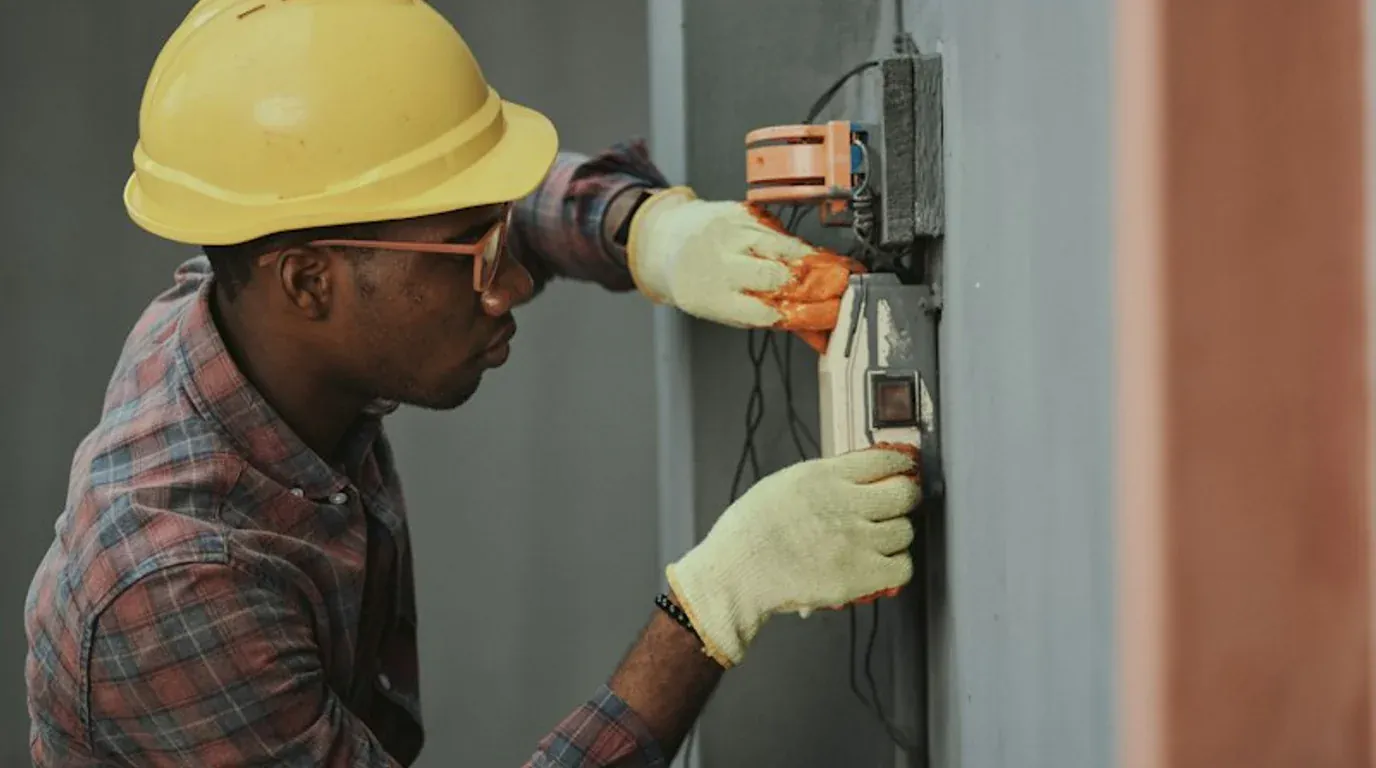
Electrical Repair Service in Georgia
Acrid fishy odors and discolored switch faceplates indicate dangerous electrical resistance developing behind structural walls in Georgia. Loose screw terminals, deteriorated back-stabbed receptacle clips, and oxidized splices generate extreme localized heat during normal everyday appliance operation. Allowing loose electrical connections to smolder inside plastic outlet boxes invites wall cavity ignition.
Standard household circuit breakers cannot detect low-level glowing connections that fail to exceed total circuit amperage limits. Heat quietly accumulates behind outlet faceplates until plastic insulation carbonizes, transforming ordinary drywall dust into an electrical fuel source. Replacing charred receptacles with commercial-grade tamper-resistant outlets and torqued screw terminals permanently resolves the thermal hazard.
Thorough inspections evaluate junction box fill capacities, test ground fault circuit interrupters, and verify secure neutral pigtails throughout Georgia residences. Correcting compromised wiring connections restores safe, stable power delivery across every room without risking secondary heat damage.
Electrical Repair Solutions Available Throughout Georgia
- Emergency Electrical Repair Service: Resolving sudden power outages, buzzing circuit panels, sparking electrical outlets, and hazardous burning plastic odors 24/7.
- Electrical Panel Repair Service: Diagnosing humming breaker boxes, scorched bus bars, obsolete panel hazards, and planning 200-amp service upgrades.
- Circuit Breaker & Wiring Repair Service: Fixing tripping breakers, short circuits, degraded Romex cables, aluminum wiring hazards, and loose neutral connections.
- Outlet and Switch Repair Service: Replacing dead outlets, buzzing wall switches, failing GFCI receptacles, loose plugs, and ungrounded two-prong sockets.
- Lighting and Ceiling Fan Repair Service: Troubleshooting flickering LED fixtures, buzzing dimmers, dead recessed cans, exterior security lights, and wobbly ceiling fans.
- Surge Protection & Grounding Repair Service: Installing whole-home Type 2 surge arresters, testing grounding electrode resistance, and repairing loose bonding wires.
Servicing residential electrical systems and branch equipment throughout Georgia:
Communities We Serve Across Georgia
Local service dispatchers coordinate electrical diagnostics and repairs directly in the following cities throughout Georgia:
Frequently Asked Questions Across Georgia
Noises inside a distribution panel indicate either a vibrating electromagnetic coil within a breaker operating near maximum ampacity or dangerous electrical arcing along the bus bar. Continuous vibration degrades the mechanical spring latch of the circuit breaker, preventing it from opening during an overcurrent emergency. A technician removes the panel deadfront to examine bus stabs for carbon scoring and thermal discoloration.
Dedicated Level 2 EV charging stations require 40-amp to 50-amp continuous 240-volt circuits, which often push older 100-amp residential services past maximum capacity. Technicians perform formal load calculations measuring heating, cooling, and cooking demand before approving charger additions. If existing service ampacity is insufficient, upgrading to a 200-amp panel ensures safe charging without nuisance main trips.
Flickering floor lamps, warm switch plates, intermittent appliance power, and sulfur odors near wall boxes indicate deteriorating aluminum conductors. Aluminum expands and contracts under thermal cycles at a higher rate than copper, loosening screw terminal grips and oxidizing into resistive aluminum oxide. Technicians remediate this risk by attaching COPALUM or AlumiConn dual-rated mechanical connectors to establish stable copper pigtails.
Residential circuits connect outlets in daisy-chain arrangements where power feeds through each receptacle to supply downstream devices. A loose screw terminal, broken back-stab connection, or separated neutral wire nut at an upstream box completely cuts power to all subsequent outlets. Finding the break involves checking voltage step-by-step along the branch circuit until the open connection is found.
Independent testing laboratories have proven that FPE Stab-Lok and Zinsco breakers frequently jam in the closed position, failing to trip under sustained overcurrent and short circuits. This failure allows excessive electrical energy to overheat concealed branch wiring inside structural wall studs without warning. Replacing these obsolete panels with modern equipment eliminates a chronic hazard recognized by electrical inspectors across Georgia.
Keep Your Georgia Electrical Systems Running Safely
Do not let buzzing panels or tripping breakers compromise your family's safety. Schedule a diagnostic evaluation today.