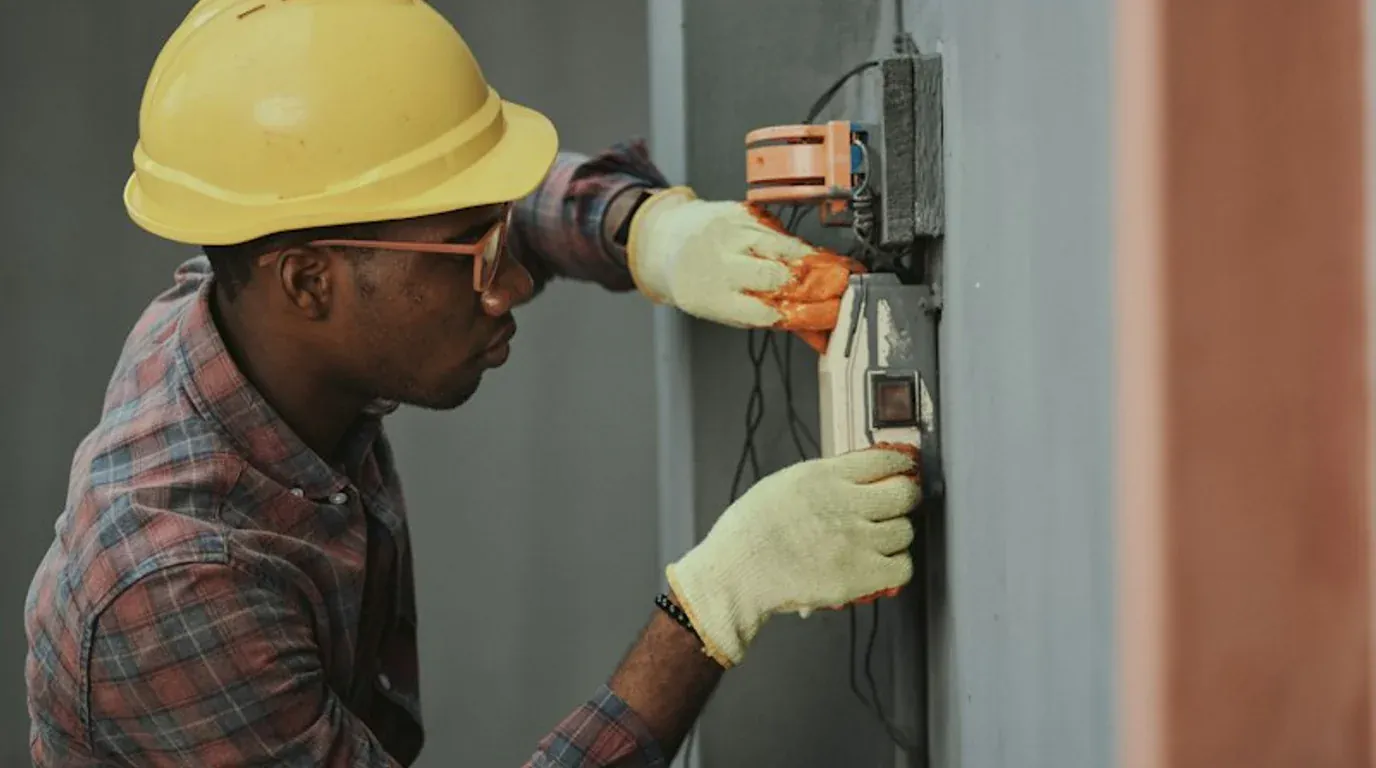
Restore safe, stable residential power when tripping breakers or flickering lights disrupt your Colorado home. Local technicians isolate concealed wiring faults, repair service panels, and resolve safety hazards to keep your electrical system operating safely.
Professional Electrical Repair and Breaker Service in Colorado
Tripping breakers and buzzing panel enclosures signal serious overcurrent conditions that jeopardize household safety across Colorado. High electrical demand from central air conditioning, induction ranges, and electric vehicle chargers pushes older residential distribution panels past their safe ampacity ratings. Ignoring repeated trips degrades circuit breaker spring latches, increasing the probability of catastrophic bus bar arcing.
Homeowners frequently reset breakers multiple times without realizing that sustained fault current superheats copper conductors concealed inside wall cavities. When circuit breakers fail to clear overloads instantly, wire insulation bakes and hardens, creating hazardous series arc faults behind baseboards and attic drywall. Clearing short circuits requires methodical branch circuit tracing rather than brute-force resets.
Diagnostic service calls across Colorado focus on measuring line amperage with calibrated clamp meters, inspecting breaker bus stabs for carbon scoring, and verifying branch circuit continuity. Local technicians restore balanced panel distribution and tighten mechanical feeder lugs to factory specifications, protecting your home against hidden electrical fires.
Electrical Repair Solutions Available Throughout Colorado
Emergency Electrical Repair Service: Resolving sudden power outages, buzzing circuit panels, sparking electrical outlets, and hazardous burning plastic odors 24/7.
Electrical Panel Repair Service: Diagnosing humming breaker boxes, scorched bus bars, obsolete panel hazards, and planning 200-amp service upgrades.
Outlet and Switch Repair Service: Replacing dead outlets, buzzing wall switches, failing GFCI receptacles, loose plugs, and ungrounded two-prong sockets.
Lighting and Ceiling Fan Repair Service: Troubleshooting flickering LED fixtures, buzzing dimmers, dead recessed cans, exterior security lights, and wobbly ceiling fans.
Installing three-prong outlets onto older two-wire systems without establishing an equipment ground violates electrical safety codes and creates shock risks for modern grounded electronics. Code permits installing a Ground Fault Circuit Interrupter (GFCI) breaker or receptacle on ungrounded circuits to protect occupants against shock hazards, provided each outlet receives an indelible label stating No Equipment Ground.
Noises inside a distribution panel indicate either a vibrating electromagnetic coil within a breaker operating near maximum ampacity or dangerous electrical arcing along the bus bar. Continuous vibration degrades the mechanical spring latch of the circuit breaker, preventing it from opening during an overcurrent emergency. A technician removes the panel deadfront to examine bus stabs for carbon scoring and thermal discoloration.
Moisture entering worn foam weather-stripping, hairline cover cracks, or unsealed conduit fittings creates a conductive path between hot conductors and grounded metal boxes. Even microscopic moisture seepage triggers sensitive ground fault sensors calibrated to trip at four to six milliamperes of leakage. Installing an extra-duty while-in-use bubble cover with silicone weather sealing protects outdoor outlets from driving rain.
Earth grounding systems require two eight-foot copper-clad steel ground rods driven into the soil and bonded to the main panel with heavy copper grounding electrode conductors. Proper grounding directs lightning surges, utility transients, and static charges safely into the earth while stabilizing household reference voltages. Technicians inspect ground clamps for corrosion and measure earth resistance to ensure reliable surge dissipation.
Dedicated Level 2 EV charging stations require 40-amp to 50-amp continuous 240-volt circuits, which often push older 100-amp residential services past maximum capacity. Technicians perform formal load calculations measuring heating, cooling, and cooking demand before approving charger additions. If existing service ampacity is insufficient, upgrading to a 200-amp panel ensures safe charging without nuisance main trips.
Request Service in CO
Speak directly with our dispatch desk to discuss your electrical symptoms, breaker behaviors, and appointment availability in Colorado.